What you can do yourself, safely
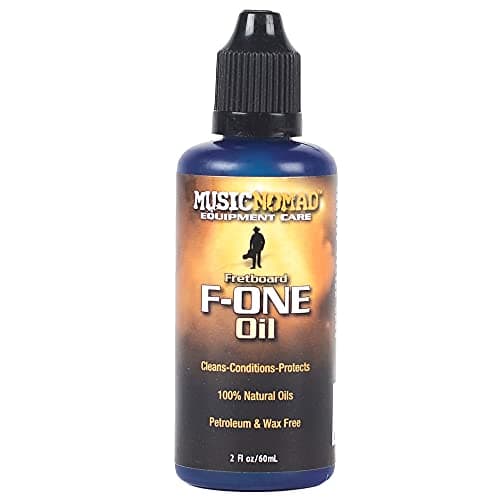
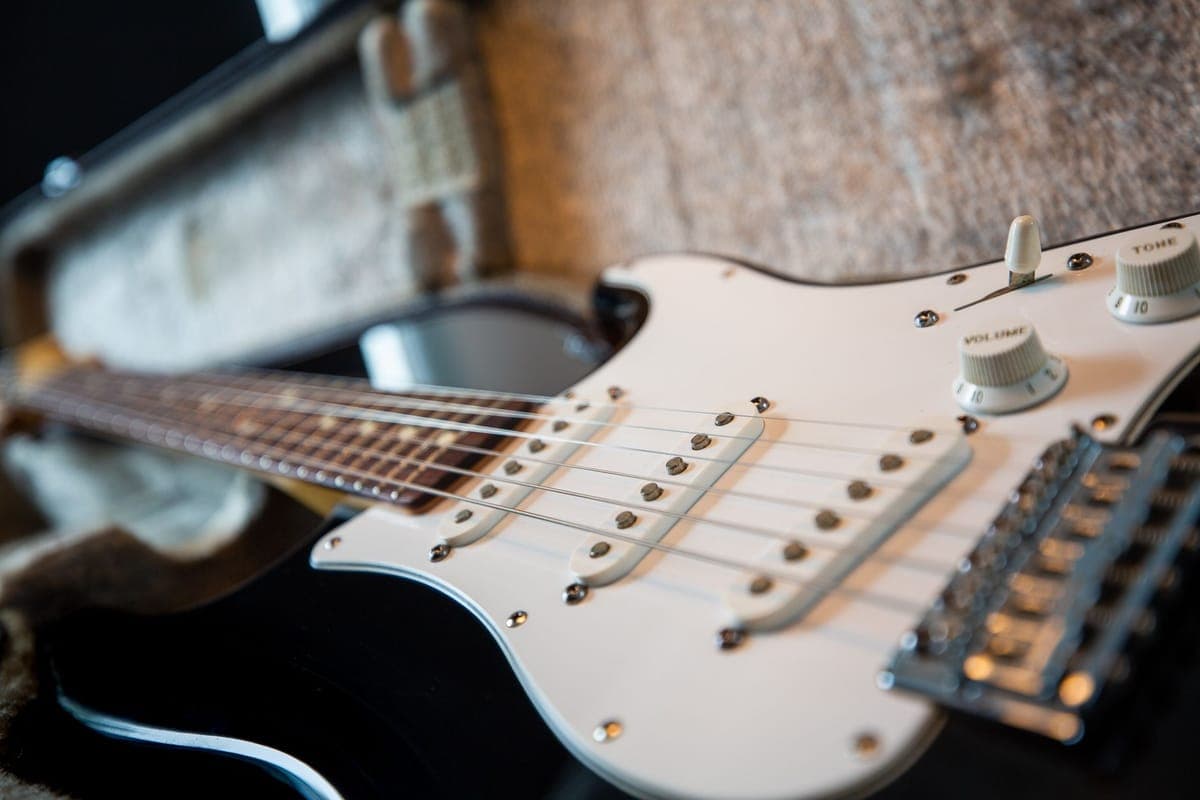
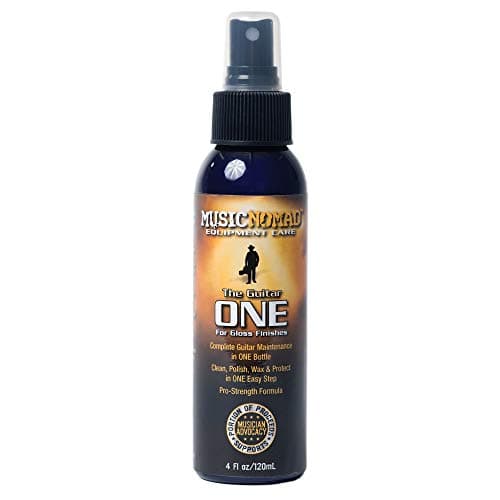
Cleaning the body and fretboard. Low risk, real benefit, and the only genuine hazard is using the wrong product on the wrong finish. MusicNomad publishes explicitly that its Guitar ONE polish is safe on all gloss finishes including nitrocellulose and not recommended for satin or matte. That single sentence is more finish guidance than most of this category offers. Start at how to clean your guitar.
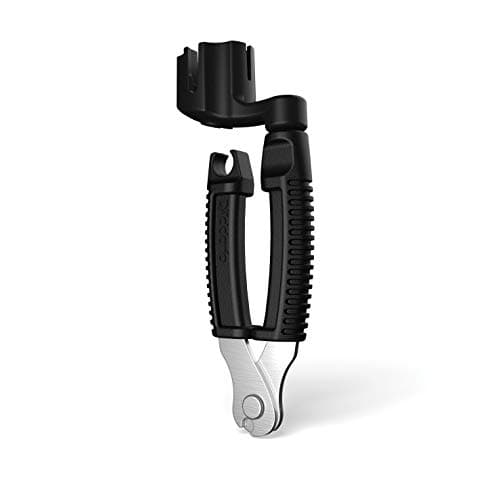
Changing strings. Fiddly the first time, routine by the third. A winder with a bridge-pin puller is the difference between a job and an ordeal on an acoustic. See string winders.
Polishing, carefully. A gloss body takes polish a few times a year and a satin neck must never see it — the damage there is permanent. The guitar polish roundup ranks on which makers actually print that exclusion.
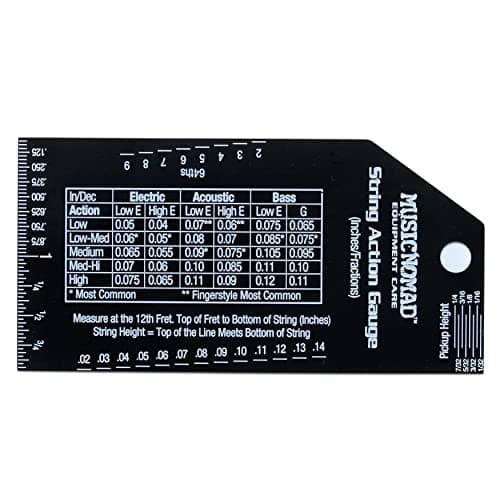
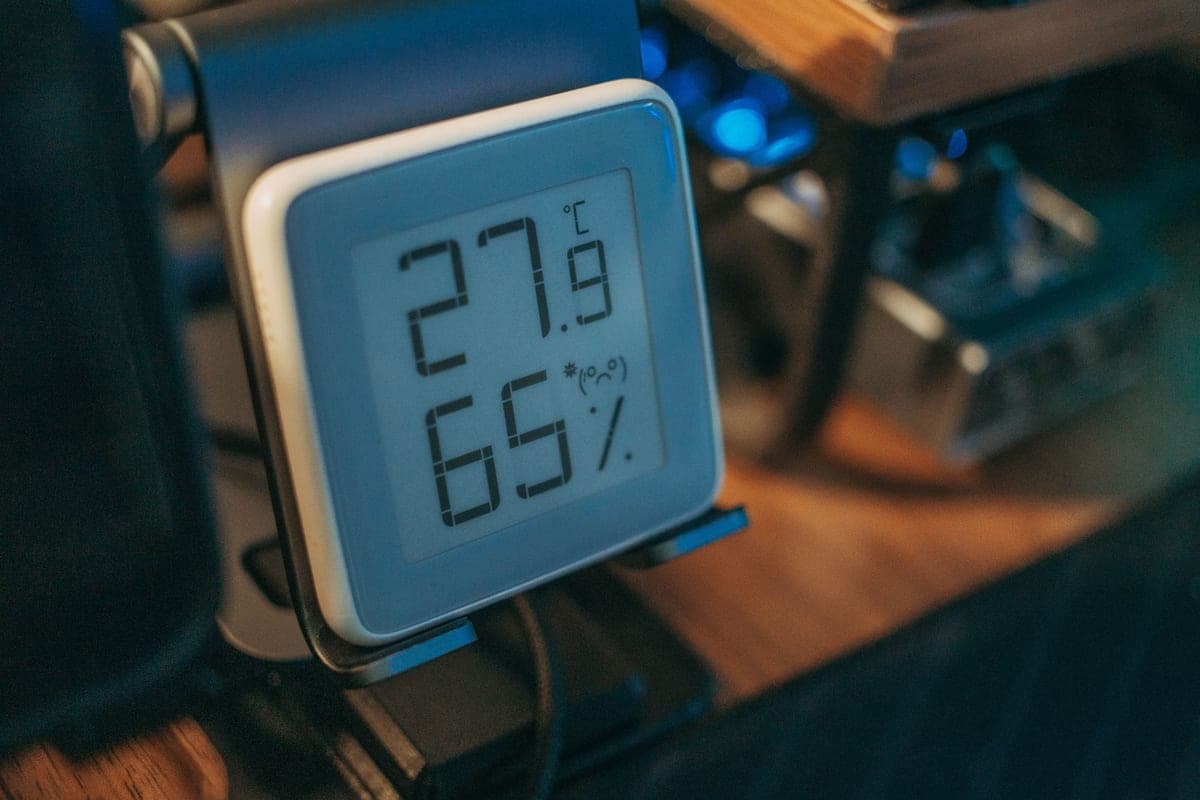
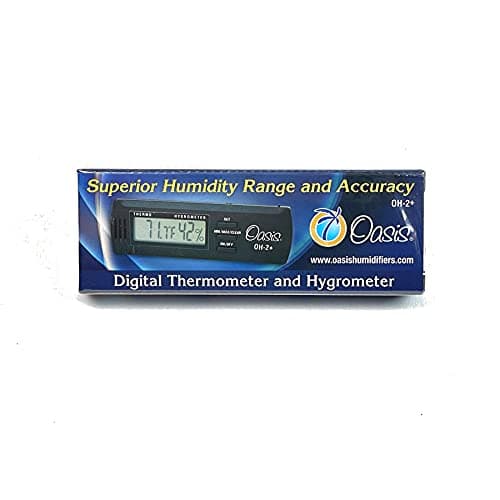
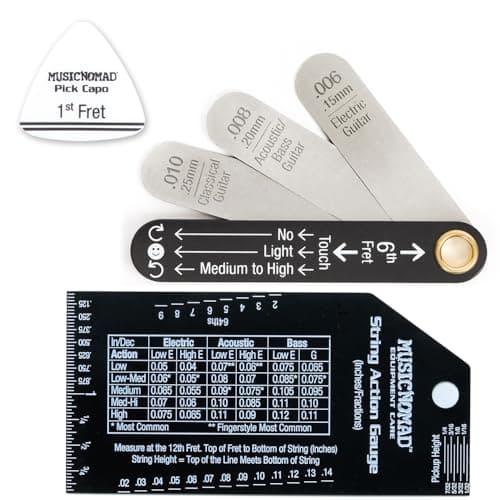
Measuring. The safest thing you can do to a guitar is find out what it is currently doing. An action gauge turns "this feels high" into a number you can compare against a specification, and no setup kit sold includes one — action gauges covers what each one measures. For humidity the equivalent is a hygrometer, and it is the purchase that most often tells you to buy nothing else.
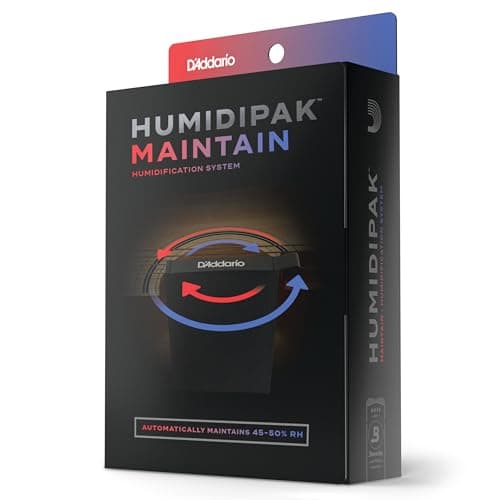
Humidity control. Passive, published, and low-consequence if you use a two-way system that cannot over-humidify. Do I need a humidifier answers the prior question first, because plenty of guitars in plenty of climates do not.
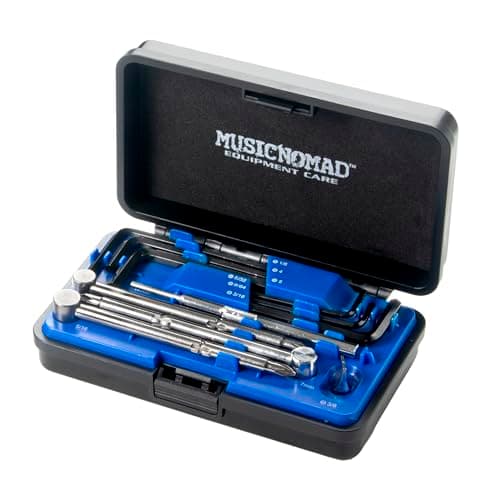
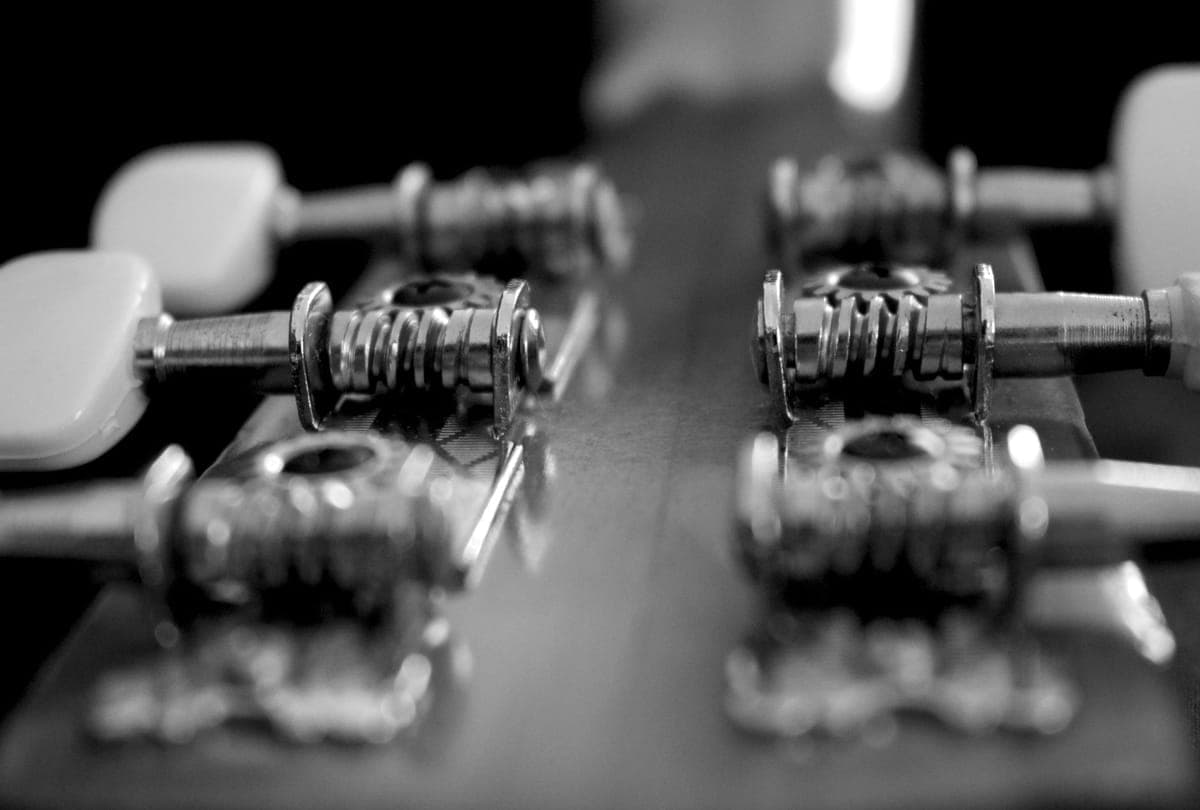
Tightening the output jack nut, the strap buttons, and the tuner screws. These work loose on every guitar. A correctly sized driver stops you rounding out the screw heads.
What to leave to a technician, and why
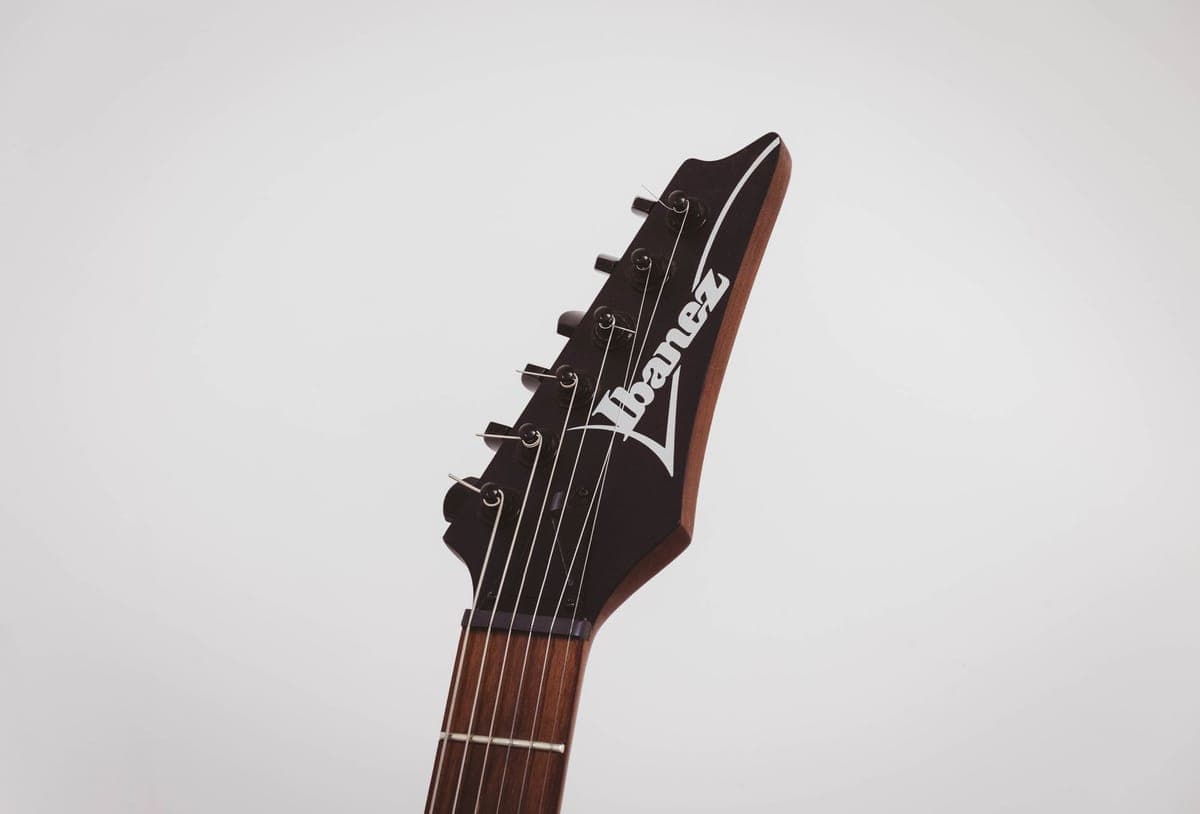
The truss rod. This is a steel rod under tension inside the neck, and it controls the neck's forward bow. Turning it the wrong way, too far, or too fast can damage a neck permanently. Owning the wrench does not make this a beginner job, and a professional setup usually costs less than the tools. We do not publish a truss-rod how-to on this site — deliberately. If your strings are high at the twelfth fret, read guitar action too high for how to diagnose it and where the line is.
Nut slot filing. Cutting a nut slot too deep is unrecoverable without replacing the nut. This is the adjustment that most affects how a guitar feels in first position, and it is not reversible.
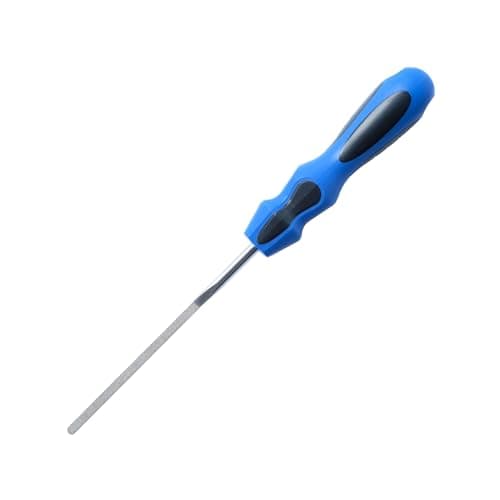
Fret work. Leveling and crowning frets is a specialist job with specialist tools. It is also rarely what is wrong with a new guitar.
The tools worth owning, in order
- A winder with a bridge-pin puller. Cheap, and it removes the one part of restringing that damages guitars.
- A care kit with published finish guidance. The phrase you are looking for on the bottle is which finishes it is safe on. If the maker does not say, do not use it on a nitro finish.
- A correctly sized driver set. Not a household screwdriver. Guitar screws are small and soft.
- A truss-rod wrench set — only once you know which fitting your guitar takes and only if you have decided to learn the adjustment properly.
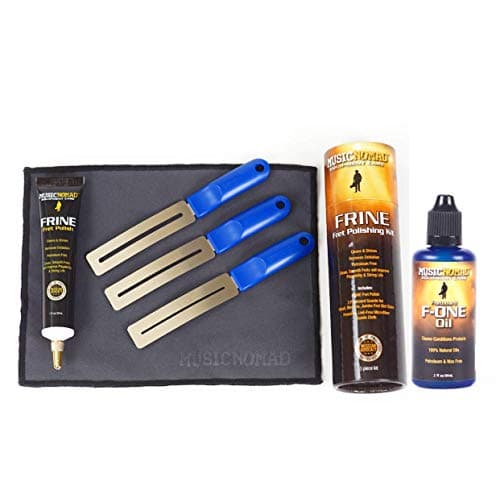
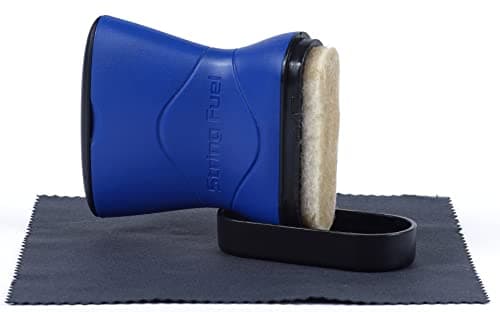
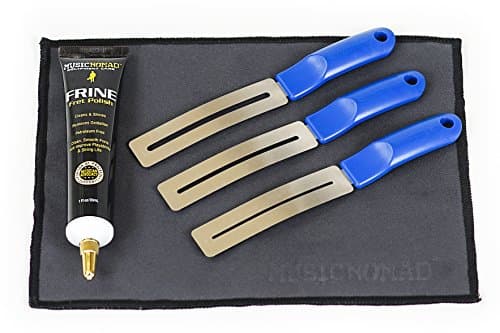
Some of those tools exist to answer one symptom each. Fret buzz is worth measuring against the figures Fender and Taylor publish before you adjust anything, dull gray frets are a cleaning job rather than a repair — fret polishing kits covers what is actually in them — and for the strings themselves, string cleaners and lubricants compares what each maker will and will not put in writing.
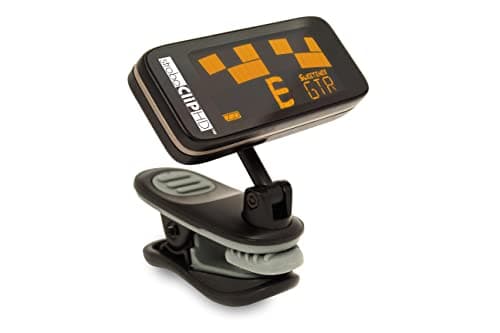
The one symptom on that list you can measure without buying a tool is intonation: tune up, then compare the harmonic and the fretted note at the twelfth fret. Guitar intonation covers the check, which way the saddle moves, and why an acoustic is a technician's job while an electric is a screwdriver's.
Humidity, in one paragraph
Solid-wood acoustics shrink when the air is dry. Below roughly 35% relative humidity for a sustained period, tops sink, sharp fret ends appear, and in bad cases the top cracks. Laminate guitars and solid electrics are far less affected. D'Addario's two-way packs publish a 45–50% target and work by both adding and absorbing moisture inside a closed case — and D'Addario says plainly that a sealed case is required for that to work. If your guitar lives on a stand in the living room, no case-based humidifier does anything at all.