Cases and gig bags: the guitar leaves the house or it does not
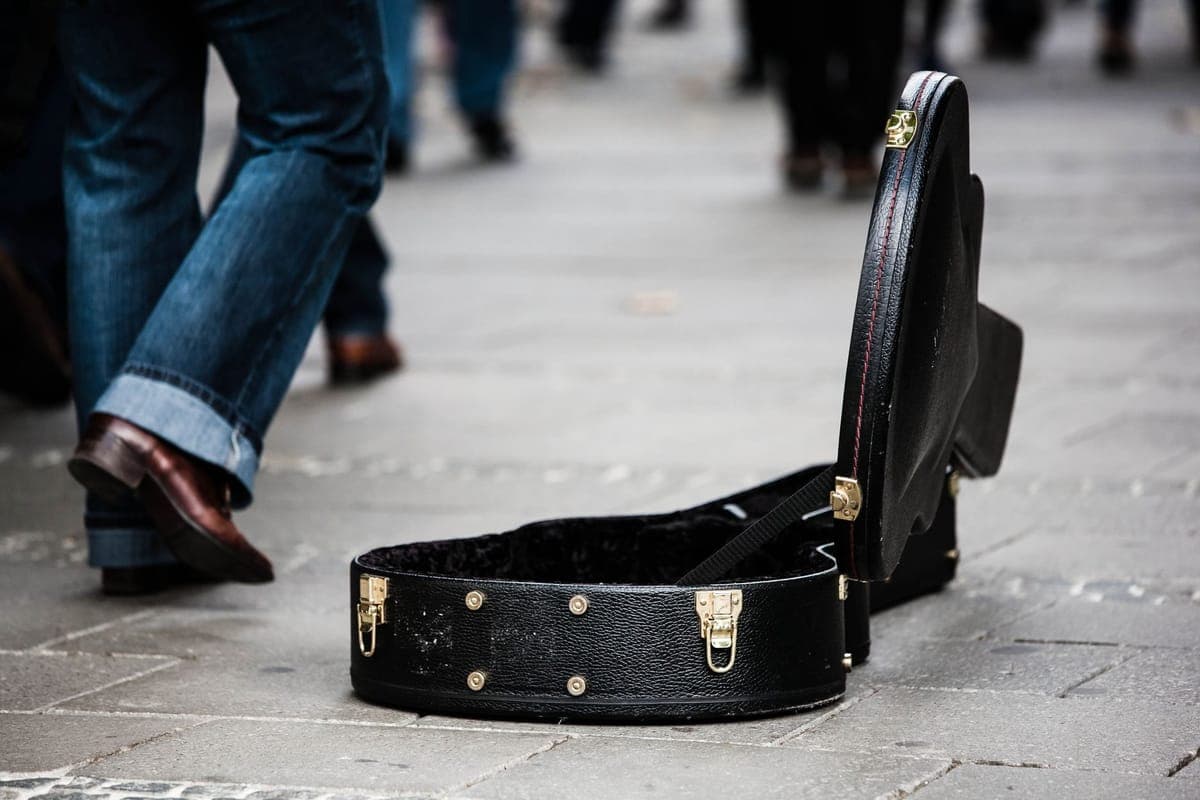
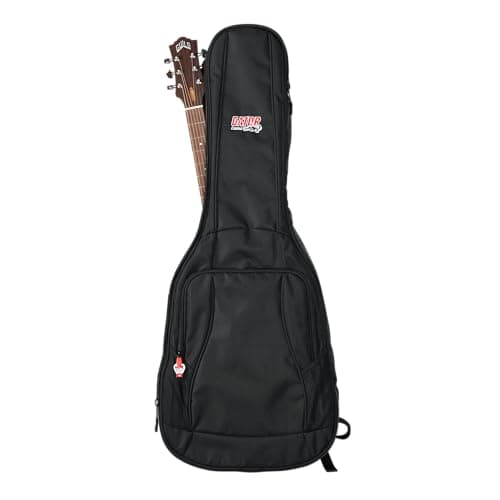
A gig bag is padding and a shoulder. It protects against scuffs, weather and being leaned on. A hard case is a shell, and it protects against being dropped, sat on, or stacked under other luggage. Neither is better; they answer different questions. Gig bag vs hard case works through the decision, and the cases roundup has the picks.
Capos: the mechanism is the whole product
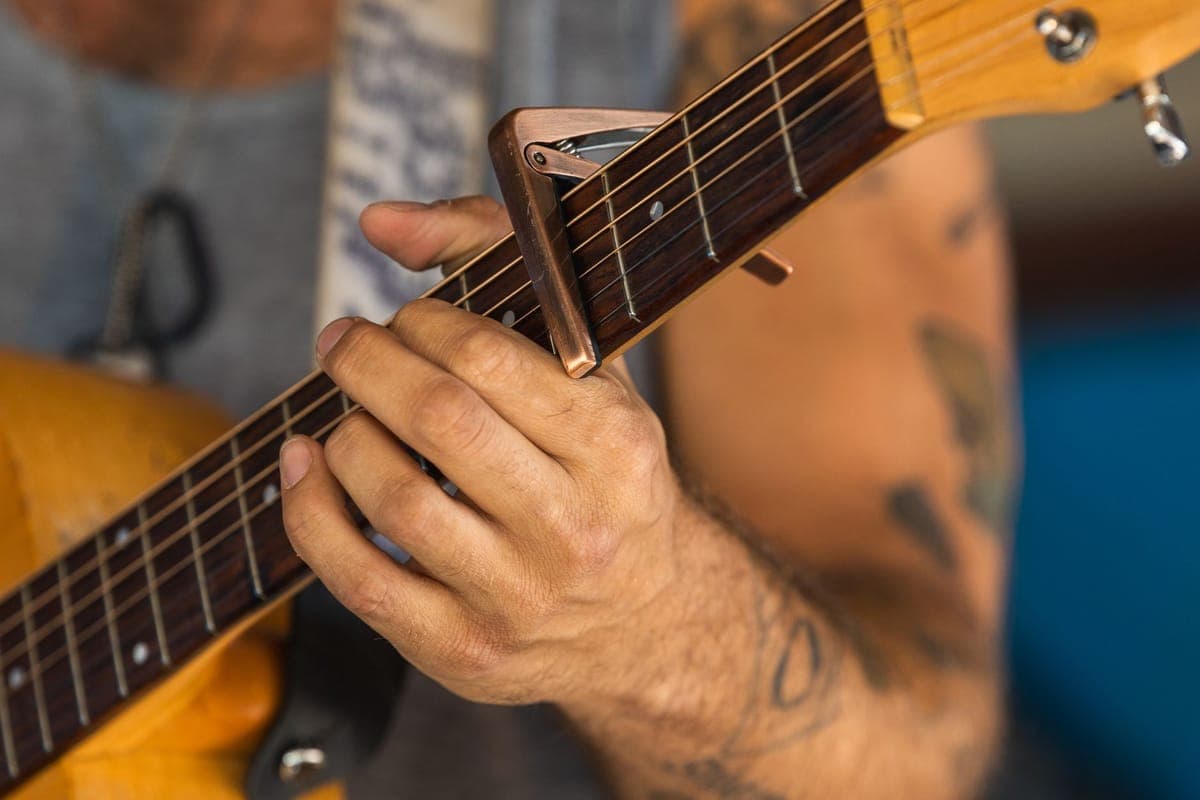
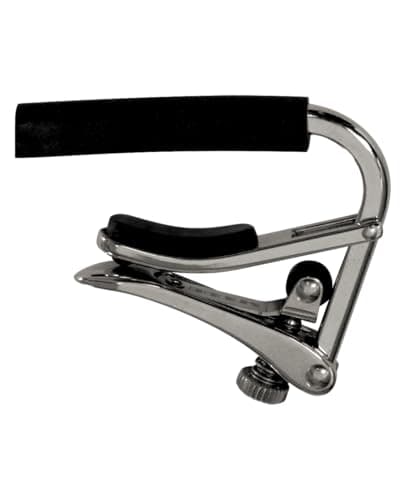
Every capo clamps a bar across the strings. What differs is how the pressure is applied. Fixed-tension spring capos — Kyser, Dunlop Trigger — are instant and one-handed, and their fixed pressure pulls some guitars slightly sharp. Adjustable capos — Shubb — take a moment to set and then hold tuning better. G7th's Performance 3 splits the difference with a pad that mechanically follows the fretboard radius. The full argument is in the capo roundup, and because an electric fingerboard is usually more curved than an acoustic one, capos for electric guitar is the version of that decision for a solid-body.
Picks: buy a variety pack before you buy a favorite
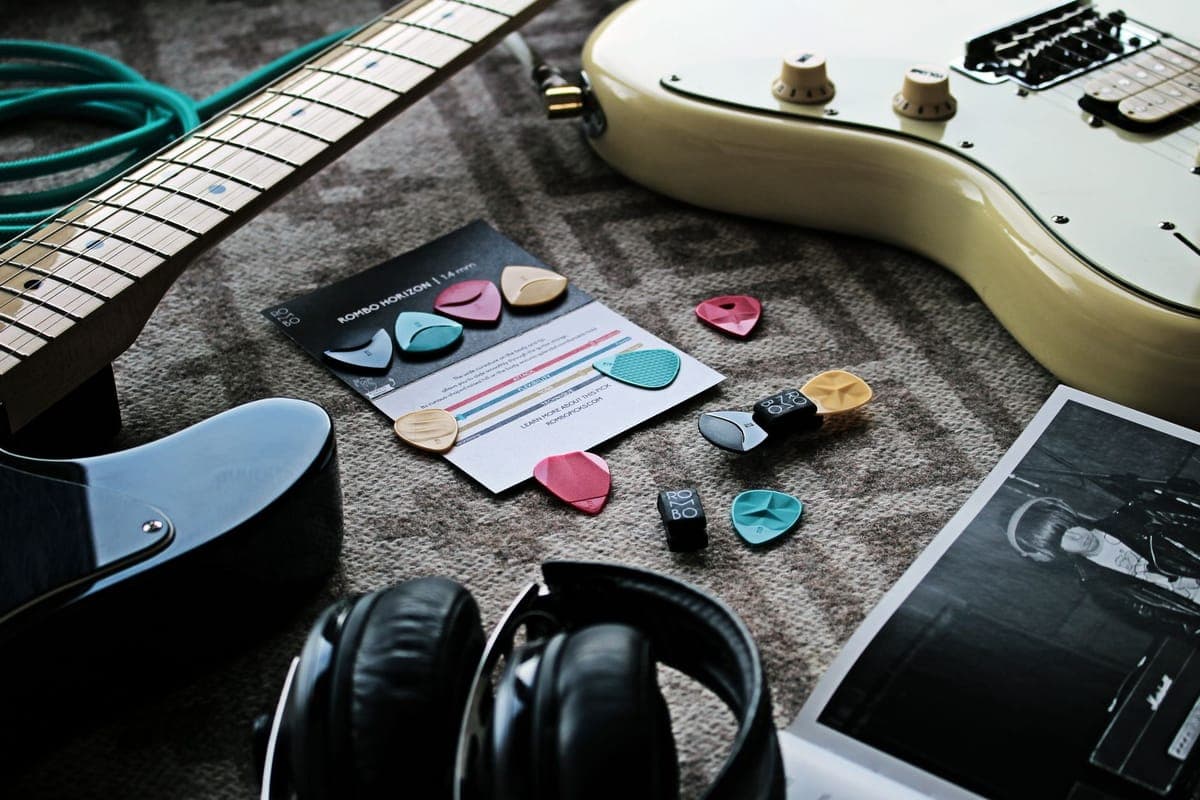
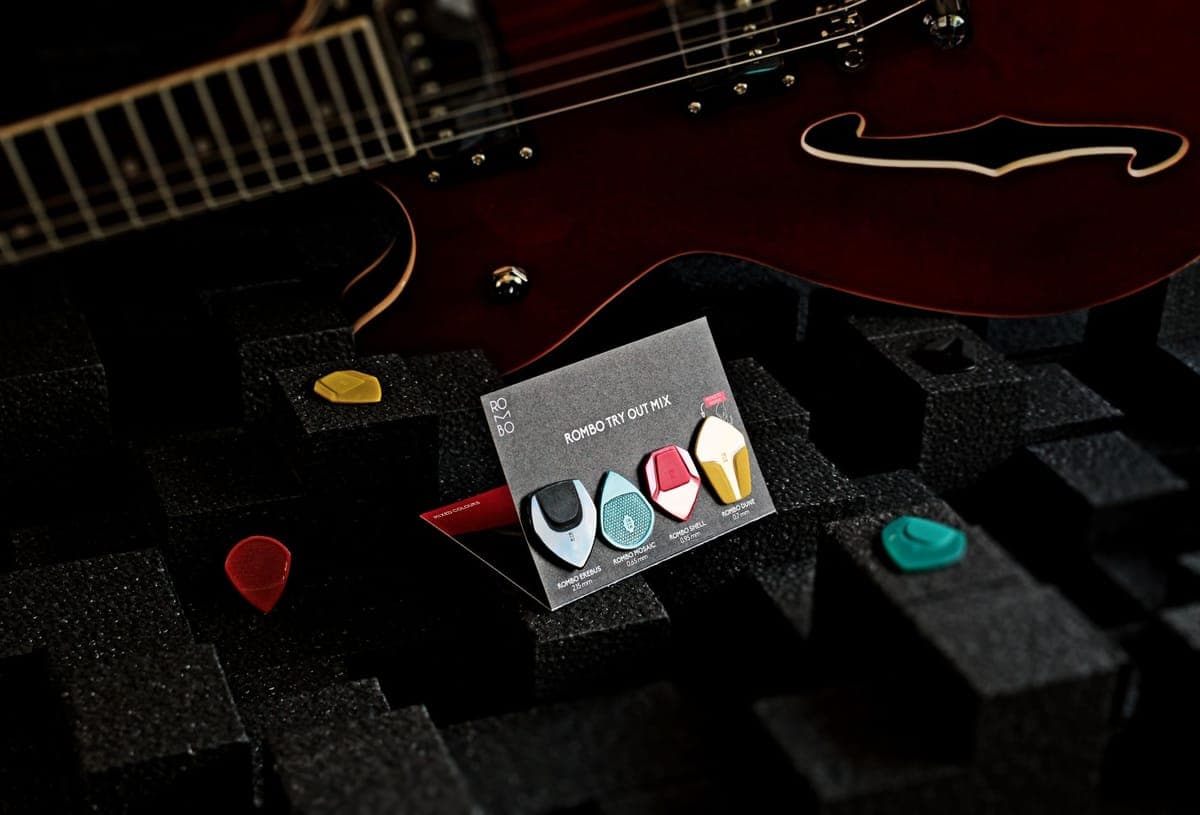
A .50 mm pick flexes and smooths out a strum. A 1.14 mm pick barely moves and puts every bit of your hand's motion into the string. Which suits you is a physical fact about your hand, and no article can determine it. Dunlop publishes the thickness of every Tortex pick in millimeters and color-codes them by gauge, which makes the experiment trivially cheap. Details in the pick thickness guide.
Straps and strap locks: buy them together
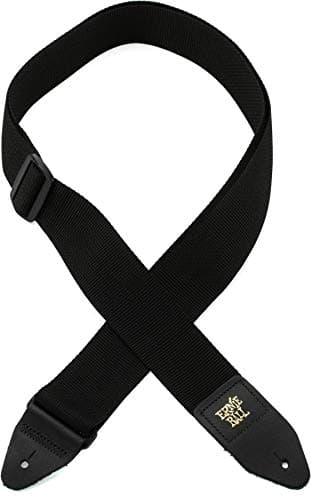
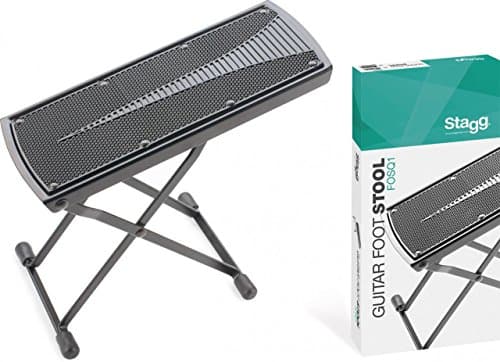
A strap costs very little and the specification that matters is the adjustment range — Ernie Ball publishes 41" to 72", which covers essentially everyone. The more important purchase is the strap lock. The single most common way a beginner guitar gets damaged is a strap end slipping off a strap button while the player is standing. See strap locks. A classical guitar usually has no strap buttons at all, because the seated position holds it instead, and what raises the guitar into that position is a footstool or a guitar support.
Stands and hangers: the accessory that increases practice
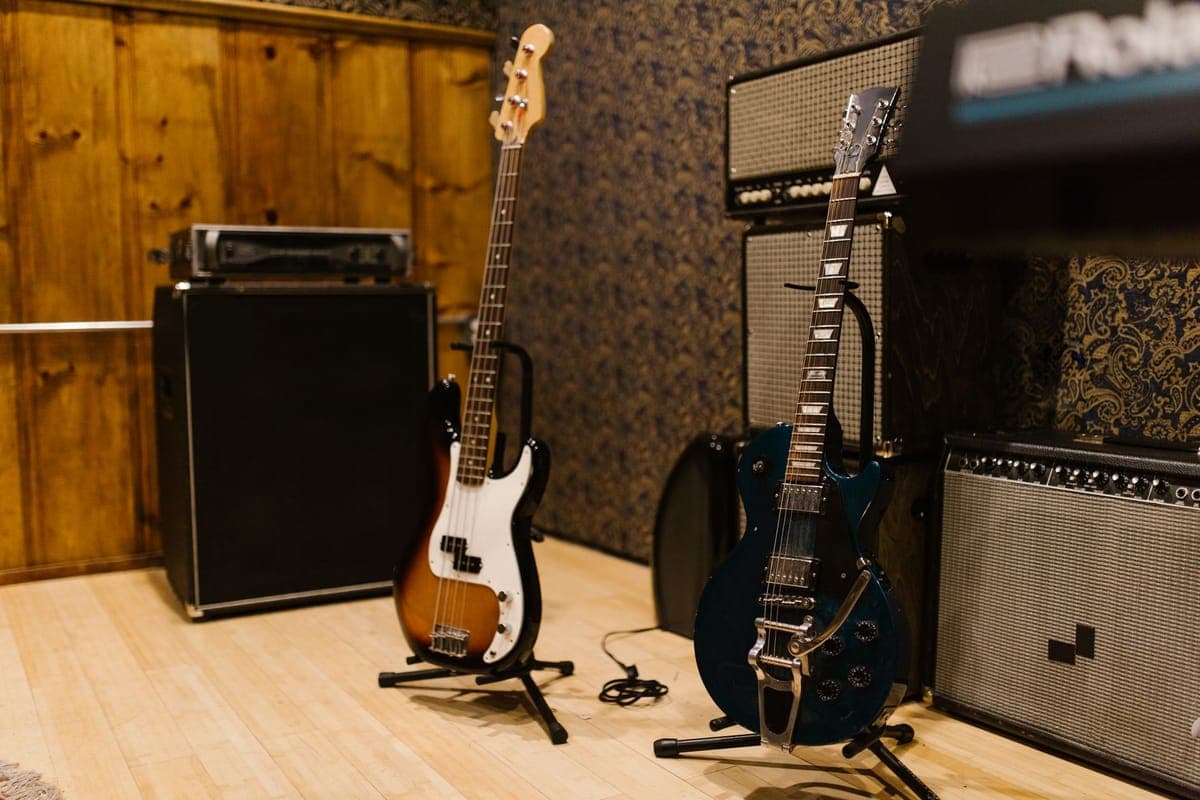
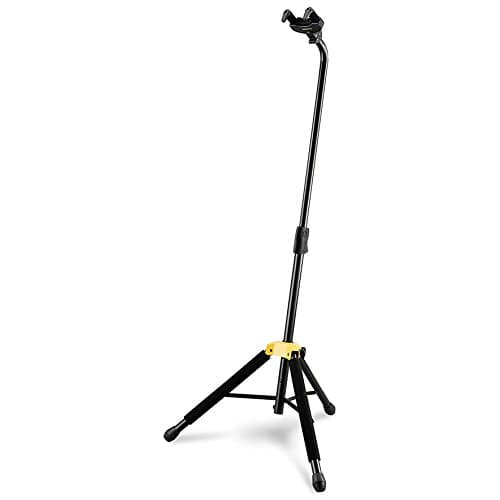
This is the one on the list with a behavioral effect. A guitar you can pick up in a single movement gets played several times a day; a guitar in a case in a cupboard gets played on Sundays. A floor stand is cheap and portable and can be knocked over. A wall hanger cannot be knocked over and needs a stud and a drill. Wall hanger vs stand covers the trade properly.
Cables, amps and metronomes
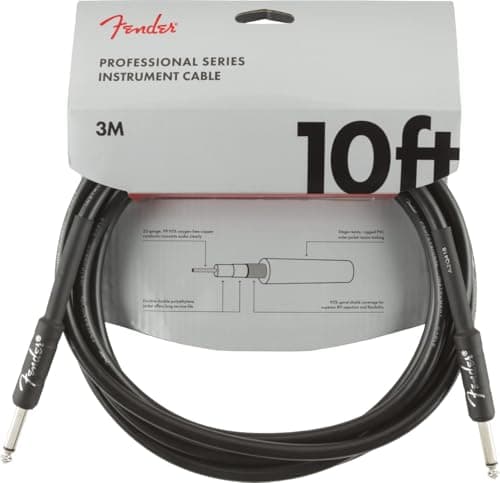
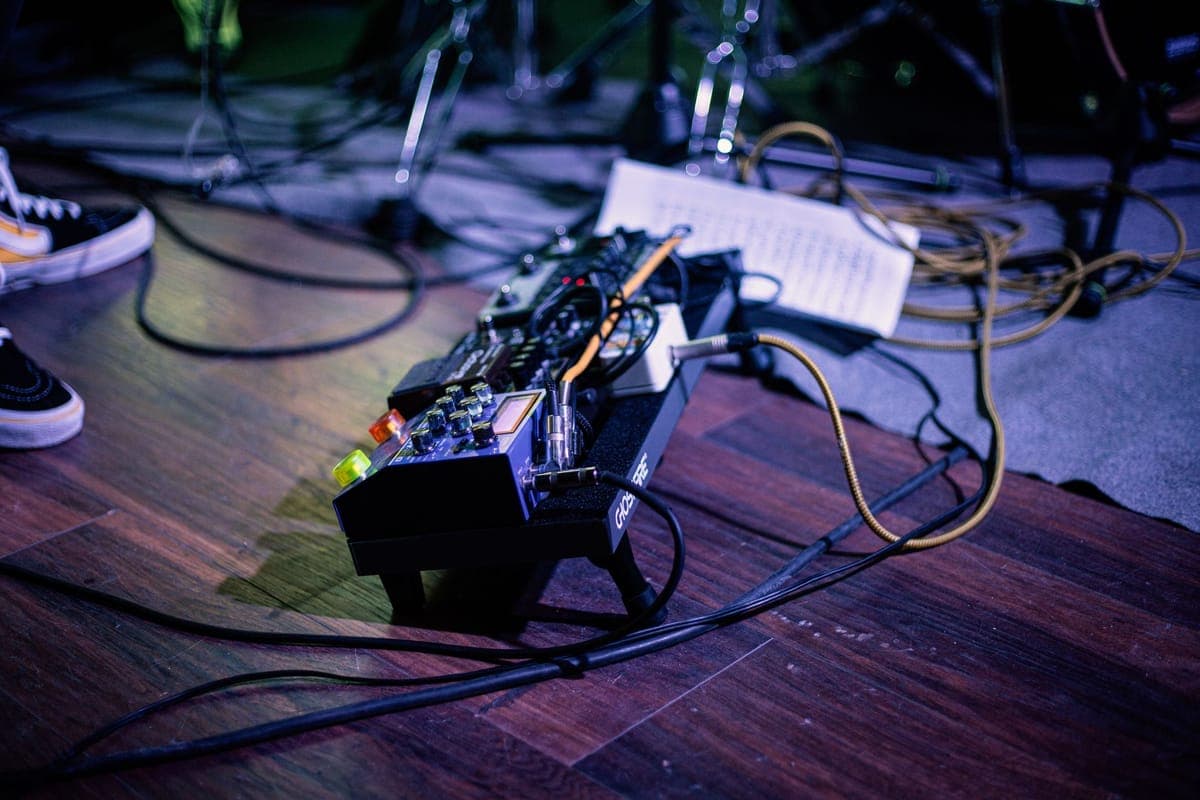
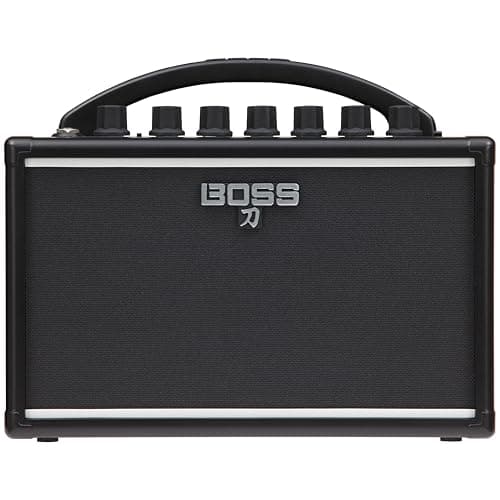
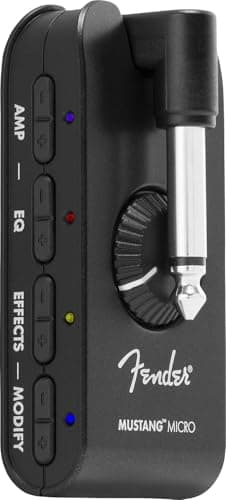
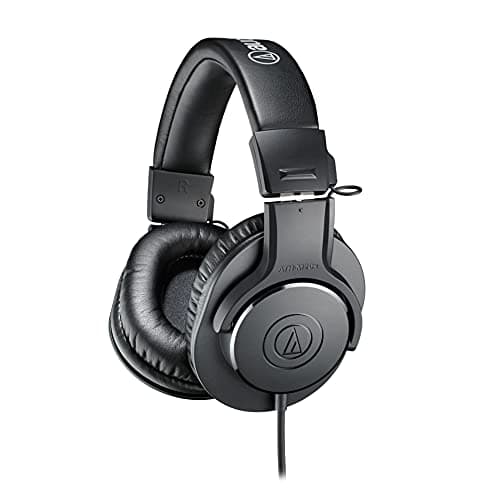
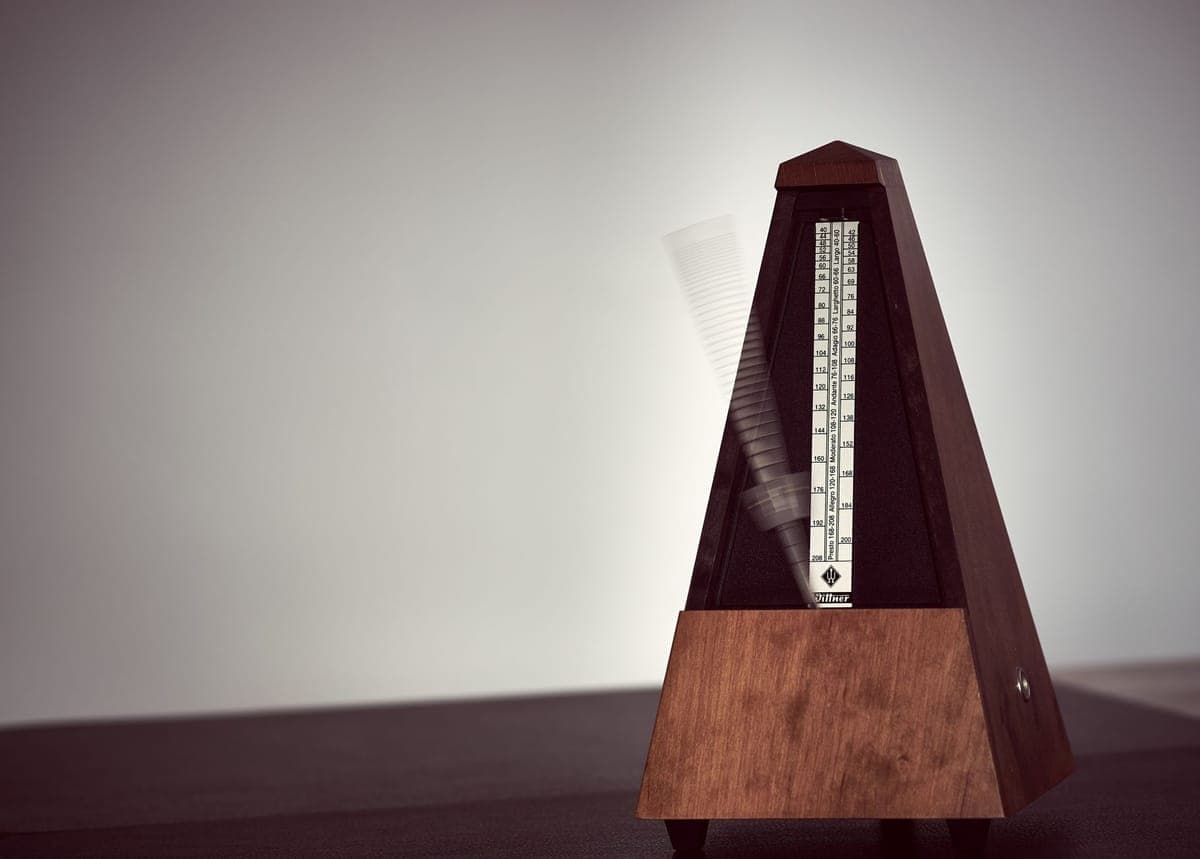
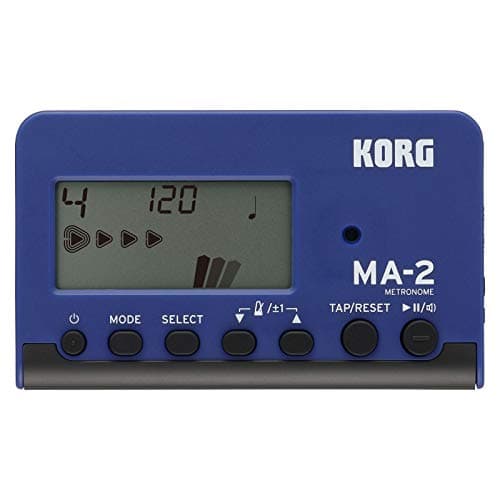
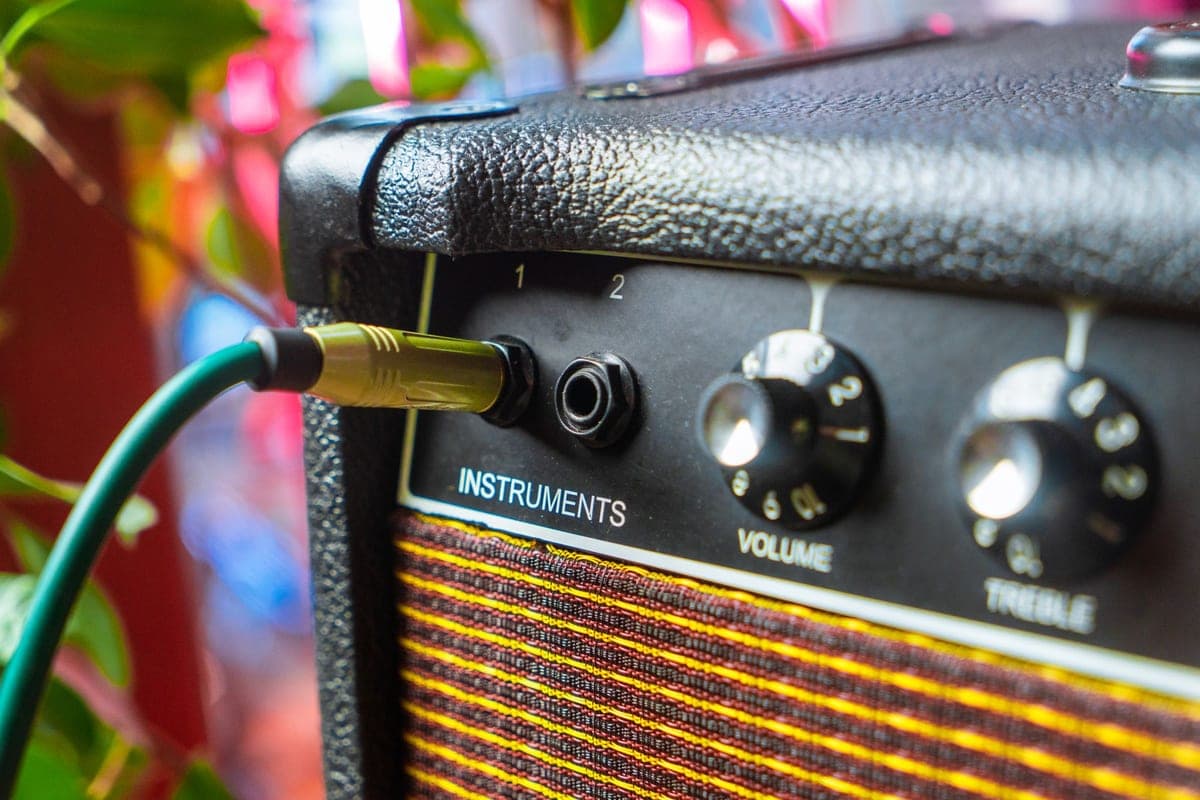
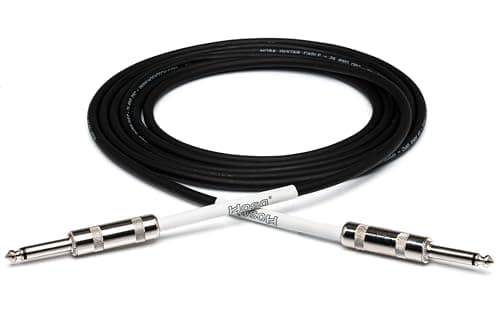
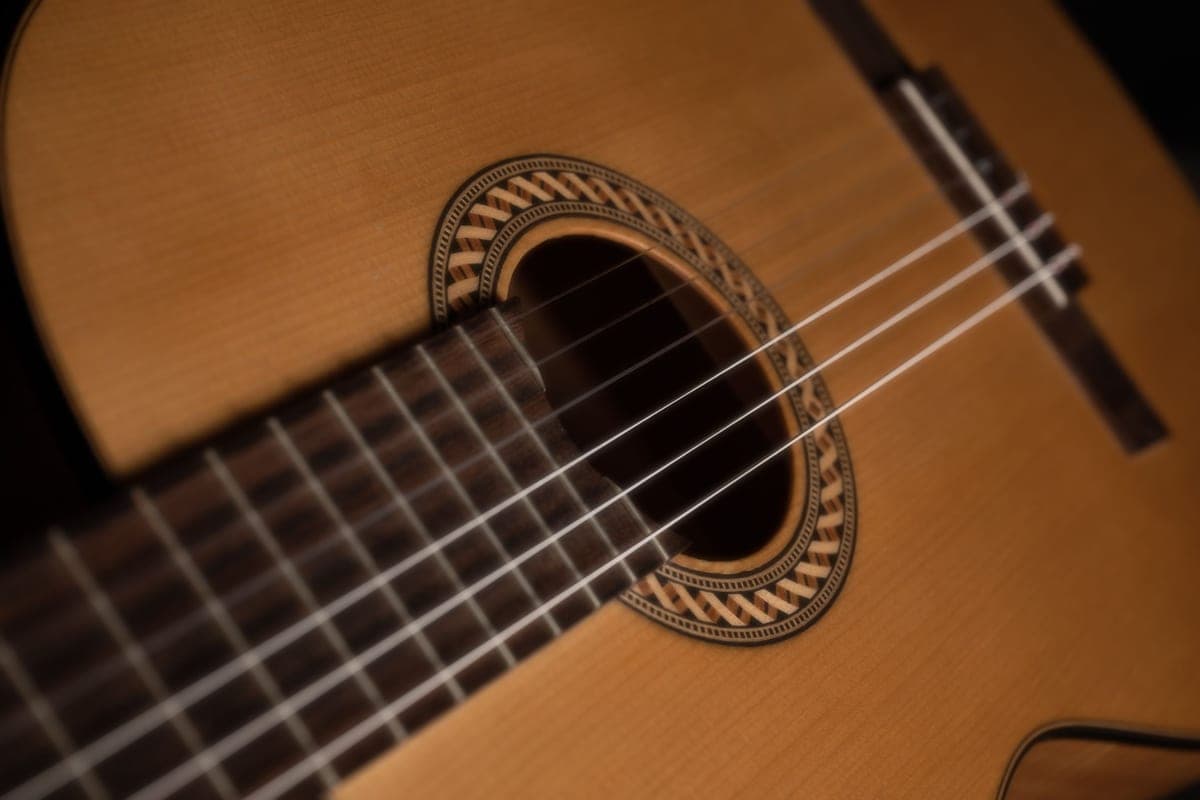
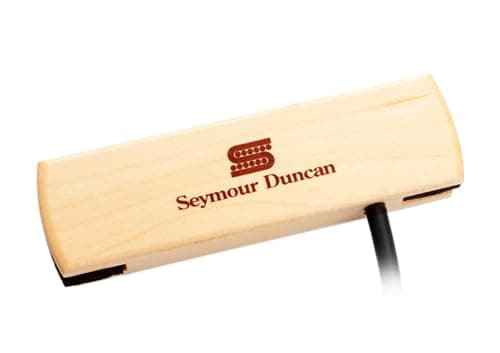
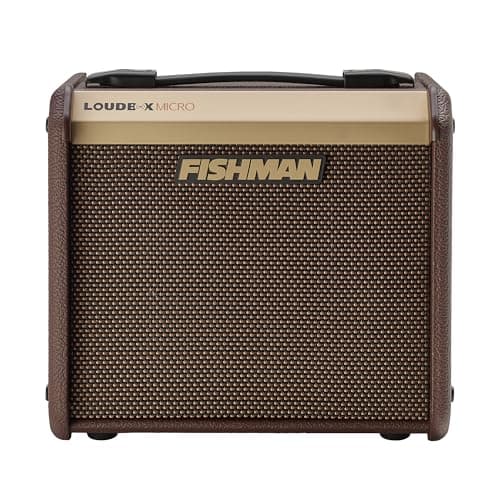
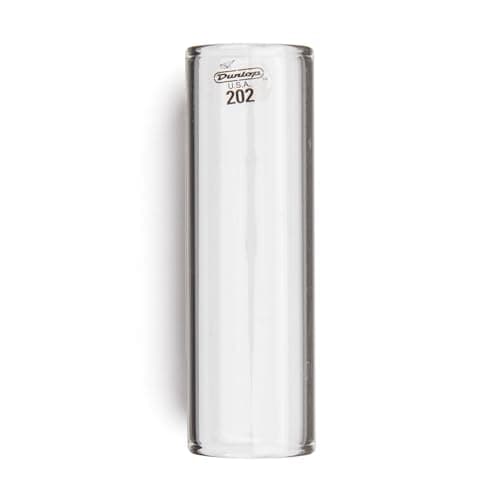
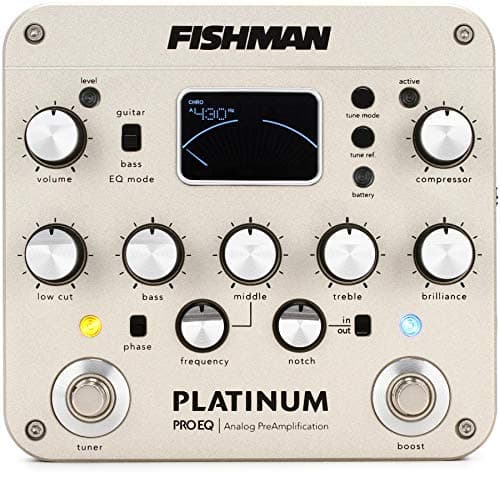
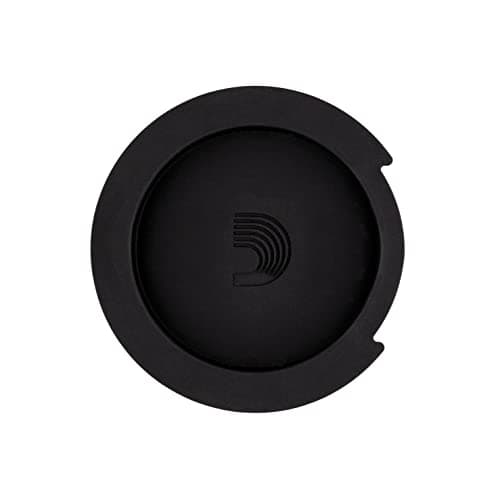
An electric guitar needs a cable — and if the budget is tight, the budget cable page sets out exactly what you give up under fifteen dollars, and instrument cable vs speaker cable covers the one lead mix-up that can cost you an amp — plus something to plug into. A headphone amp costs a fraction of a combo and lets you practice at any hour, which for most beginners is worth more than volume — though it arrives without the headphones it needs, and the plug size decides that purchase more than the sound does. A practice amp is the answer when you want to be heard in a room. None of that works on an acoustic until it has a pickup, and fitting one need not mean drilling the guitar — acoustic guitar pickups covers the removable options, and acoustic amps covers what to plug that pickup into — an amp voiced for electric guitar is the wrong tool for the job, while acoustic preamps and DI boxes are the answer when the room already has a PA. When an amplified acoustic howls, the cheapest fix is a soundhole cover, and the measurement to take first is the diameter of the hole. And a metronome is the accessory that most improves your playing and least improves your enjoyment — buy it when you are ready to be told the truth about your timing. A slide belongs in the same bracket of cheap experiments, and it is sized like a ring, which is the part the listings bury.