Skip to content
Capo & Cable
Roundup

String winders: the cheap tool that stops you damaging a bridge

Winding is the part everybody thinks a winder is for. The pin puller is the part that saves an acoustic bridge from a screwdriver.

By Scooter M./Published September 1, 2026

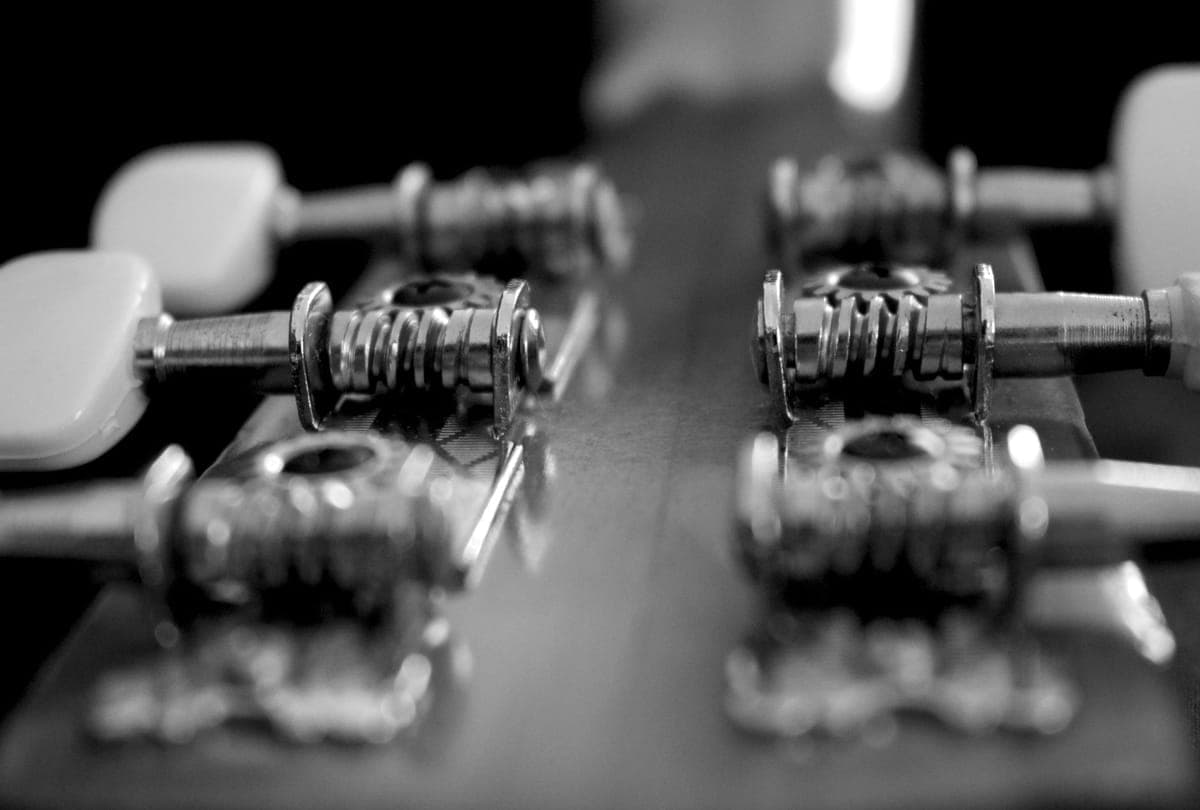
A string winder fitted over a guitar tuning machine

DisclosureSome links on this page are affiliate links. If you buy through one we may earn a commission at no extra cost to you. It never changes a ranking, and we accept no payment for placement. The full version.

The shortlist

Ranked, with the published numbers

Ranked on the specifications each maker actually publishes, on what they refuse to publish, and on what the thing costs today. Tap any row for the full write-up, including who should skip it.

#ProductBest forScorePrice
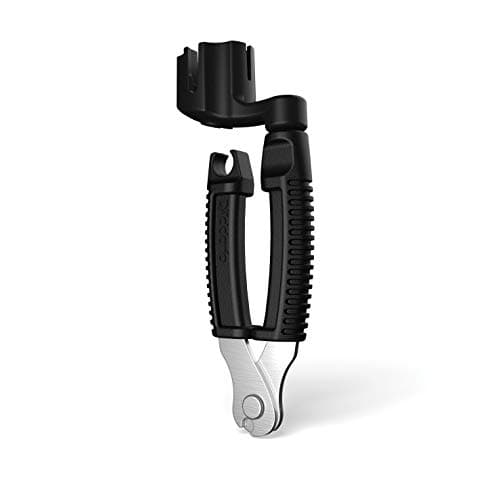
01A hand turning a tuning machine during a string change — a stand-in for the D'Addario Pro-Winder, not a photograph of this modelD'AddarioD'Addario Pro-WinderBest all-in-one9.1Check price on Amazon
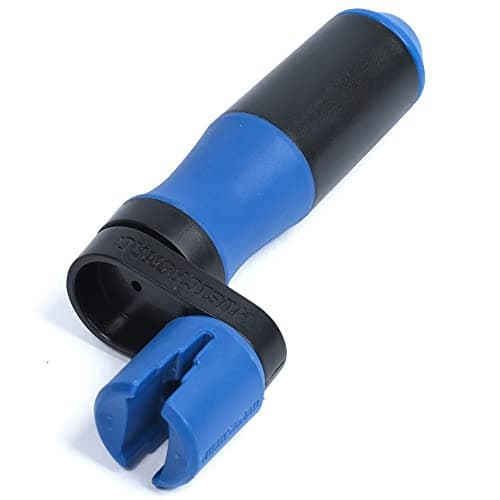
02A hand turning a tuning machine during a string change — a stand-in for the MusicNomad GRIP Winder, not a photograph of this modelMusicNomadMusicNomad GRIP WinderBest grip on vintage tuners8.2Check price on Amazon

Scores are ours and editorial. They are never published as review or rating markup, because we have not played these instruments — here is how we pick.

A string winder is a cup on a handle that fits over a tuning machine button so you can wind a string up to pitch in seconds instead of turning a small peg dozens of times.

That is the obvious function and it is not the important one. On an acoustic guitar, the important part is the notch that lifts bridge pins.

Why the bridge-pin puller matters

Most steel-string acoustics hold the string ball-ends in the bridge with six tapered pins. They wedge in tightly, especially the first few times, and there is nothing convenient to grip.

So people improvise: pliers, a screwdriver, a fork, a coin, a key. Every one of those concentrates force on a small area of the bridge and chips or dents the wood, and the damage is permanent, visible, and right in the middle of the guitar.

The notch on a proper winder slips under the pin head and lifts straight up, with the tool bearing on the bridge across a broad, flat area. D'Addario publishes that the Pro-Winder combines a winder, hardened steel cutters and a bridge-pin puller in one handle, and it is the single cheapest way to avoid the commonest self-inflicted damage on an acoustic.

3 in 1

Winder, wire cutter and bridge-pin puller in one handle

The pin puller is the one that protects the guitar. The other two just save time.

What separates the two here

Published functions
ToolWindsCutsPulls pinsNotes
D'Addario Pro-WinderYesYes — hardened steelYesFits guitar, bass, banjo, mandolin pegs
MusicNomad GRIP WinderYesNoNoRubber-lined cup grips vintage-style buttons

The GRIP Winder solves a real and different problem: plastic winder cups slip off vintage-style tuner buttons, which are smaller and smoother than modern ones. If your winder keeps sliding off, that is the fix. It does not cut and it does not pull pins, so it is a companion rather than a replacement.

Buying advice, briefly

If you own an acoustic: buy the combined tool. The pin puller is the reason.

If you own only an electric with a through-body or top-loading bridge: you are paying for a pin puller you will never use, but the tool is cheap enough that it hardly matters and the cutters are still useful.

If your winder slips off the tuner buttons: a rubber-lined cup is the answer, and you will still want wire cutters separately.

What you can do without one

Everything, slowly. You can wind by hand, cut with household wire cutters, and remove bridge pins by pushing the string down into the guitar first to unseat the ball end, which usually releases the pin enough to lift by hand.

That last technique is worth knowing regardless, because it is what you do when a pin is genuinely stuck even with the right tool. Full process in how to change guitar strings.

What we did not do

We have not played any of this gear. Every guide in this category says it tested twenty tuners; we would rather say plainly that we tested none. What we did instead is on this page in full: published specifications with their sources, the makers' own manuals read rather than paraphrased, and a note wherever a company publishes nothing at all.

One safety note that belongs on every page about this job: never cut a string while it is under tension. A string at pitch stores a lot of energy and the cut end whips. Slacken it first, every time.
The write-ups

Each one in full, including who should skip it

01Best all-in-one
9.1/10
A hand turning a tuning machine during a string change — a stand-in for the D'Addario Pro-Winder, not a photograph of this model

Stock photo of the product type, not this model. We publish no product photography we cannot source.

D'Addario

D'Addario Pro-Winder

A first string change on an acoustic

Winder, wire cutter and bridge-pin puller in one handle. That third function is the one that saves an acoustic bridge from being levered at with a pair of pliers.

Good
  • The pin puller alone justifies it on an acoustic
  • Cutters are strong enough for wound bass strings
  • One tool instead of three
Less good
  • Peg cup does not fit every vintage-style tuner
  • Plastic body — this is not a lifetime tool
  • Nothing here you cannot do slowly by hand
Skip this if

You only own an electric with a through-body bridge — then you are paying for a pin puller you will never use.

Published specification

FunctionsWinder, cutter, bridge-pin puller
CuttersHardened steel
FitsGuitar, bass, banjo, mandolin pegs
Live priceCheck price
Check price on Amazon

#ad We hold no verified live price for this one, so we show none. How this site is funded.

Our scoring

Ease for a beginner9.6
Build8.0
Published-spec clarity8.6
Value at this price9.4
02Best grip on vintage tuners
8.2/10
A hand turning a tuning machine during a string change — a stand-in for the MusicNomad GRIP Winder, not a photograph of this model

Stock photo of the product type, not this model. We publish no product photography we cannot source.

MusicNomad

MusicNomad GRIP Winder

Winding without the cup slipping

A winder with a rubber-lined cup that grips the peg instead of slipping off it, from a maker that documents its tools properly. No cutter, no pin puller.

Good
  • Grips vintage-style tuner buttons the plastic cups slip off
  • Comfortable enough for a full restring
  • Cheap
Less good
  • No cutter and no bridge-pin puller
  • Single-purpose tool in a bag full of tools
  • You will still need wire cutters
Skip this if

You want one tool that also cuts and pulls pins.

Published specification

FunctionPeg winding only
CupRubber-lined, grips the tuner button
Live priceCheck price
Check price on Amazon

#ad We hold no verified live price for this one, so we show none. How this site is funded.

Our scoring

Ease for a beginner9.0
Build8.4
Published-spec clarity7.8
Value at this price8.6
Questions

Frequently asked

Do I need a string winder?
For winding, no — it just saves time. For removing bridge pins on an acoustic, effectively yes: the alternatives people improvise with are what damage bridges.
How do I remove a stuck bridge pin?
Push the string down into the guitar first. That unseats the ball end from under the bridge plate and releases the pressure holding the pin, which then lifts easily with a winder notch.
Can I use pliers to pull bridge pins?
You can, and it is the commonest way beginners permanently mark an acoustic bridge. Pliers concentrate force on a small area of soft wood. Use the notch on a winder instead.
Are drill-bit string winders safe?
They work and they are fast. The risk is going too fast to notice a string binding at the nut or seating badly at the bridge. If you use one, keep the drill on a low speed and stop frequently to check.
Sources

Where these numbers came from

Every specification on this page came from one of these pages. Where a row reads "not published", it means we checked the page listed and the figure was not there.