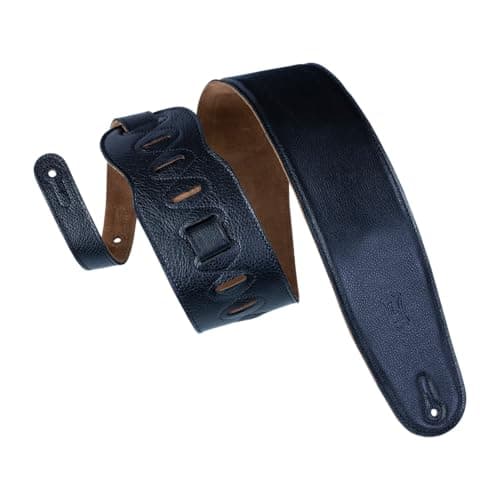
Width: the only comfort variable
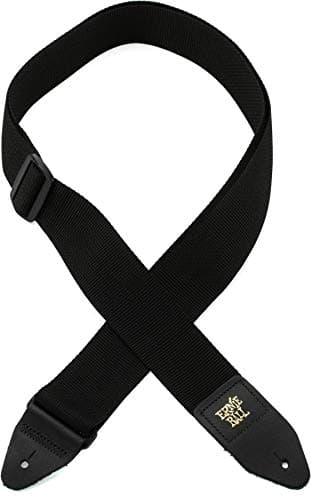
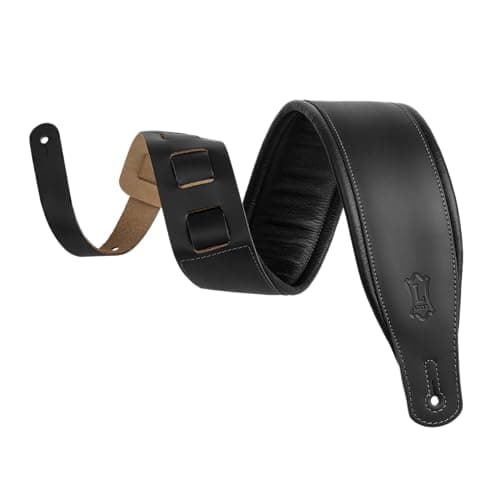
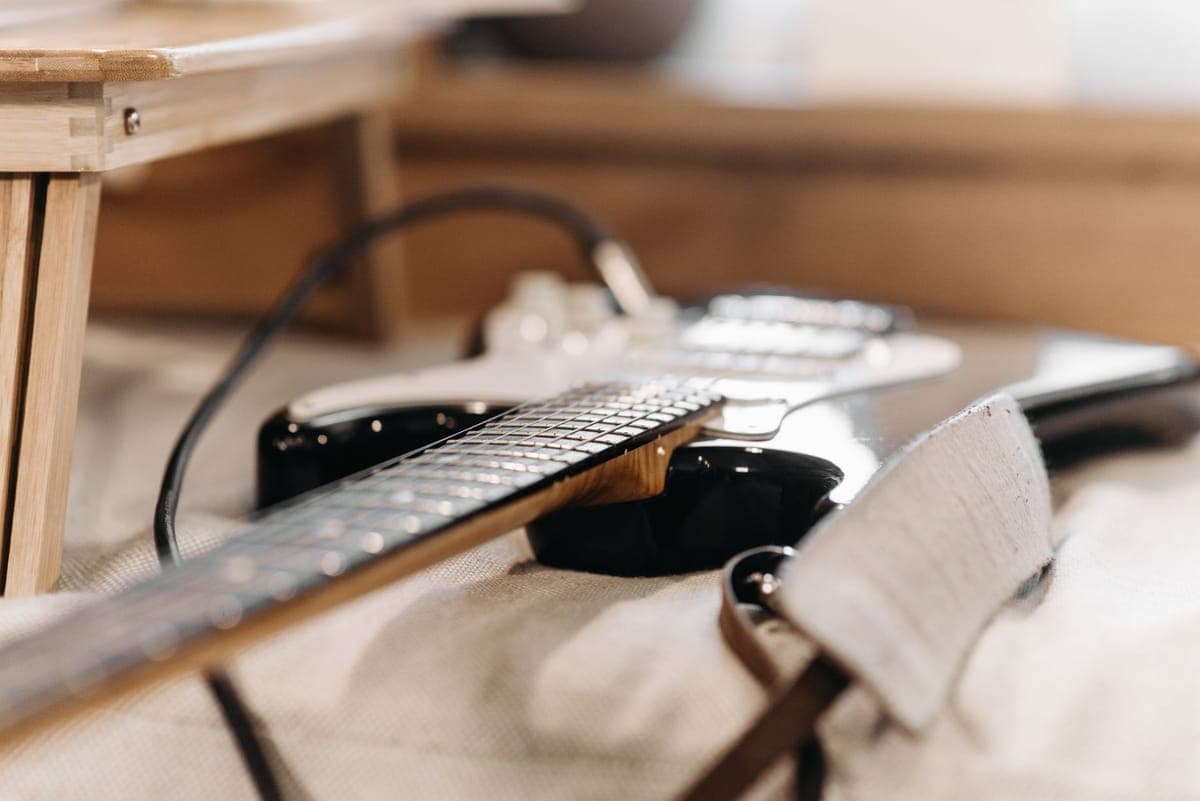
A two-inch strap spreads the guitar's weight over two inches of your shoulder. A three-inch padded strap spreads it over three inches, with foam. For an acoustic played sitting down and occasionally standing, two inches of polypropylene is entirely adequate. For a solid-body electric played standing for an hour, the difference is the difference between finishing comfortably and finishing sore.
There is no benefit to a wide padded strap if you always play seated. Buy the comfort you will actually use. Leather vs nylon works through both materials at the widths each is actually sold in, and if your acoustic has only one strap button — straps for acoustic guitar covers the attachment problem that sends most straps back.
Adjustment range: check the number, not the picture
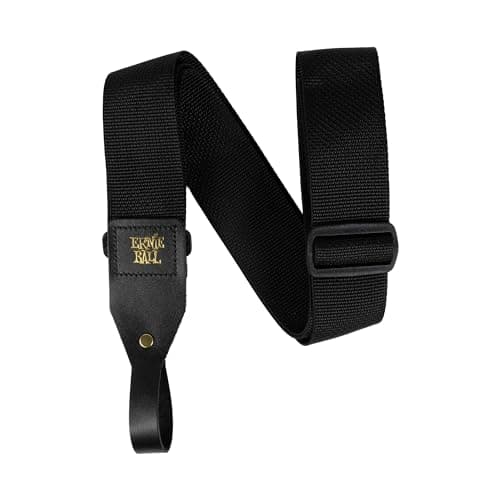
Ernie Ball publishes 41" to 72" for its Polypro straps, which covers essentially everyone. Levy's publishes ranges that vary by model, which is worth checking before you buy — a strap that will not shorten enough is as useless as one that will not lengthen.
The right length is the one where the guitar sits somewhere between your waist and your ribs. Lower looks better and is harder to play; higher is easier and looks like a folk singer. This is genuinely a matter of taste, and it is adjustable, so it is not a purchase decision.
Strap locks: the part of this page that matters
A standard strap end is a hole in leather pushed over a mushroom-shaped button. Nothing holds it there except friction and the button's lip. Over months, the leather stretches and the hole widens, and eventually the strap comes off — usually while you are standing, usually mid-song, and the guitar hits the floor headstock-first.
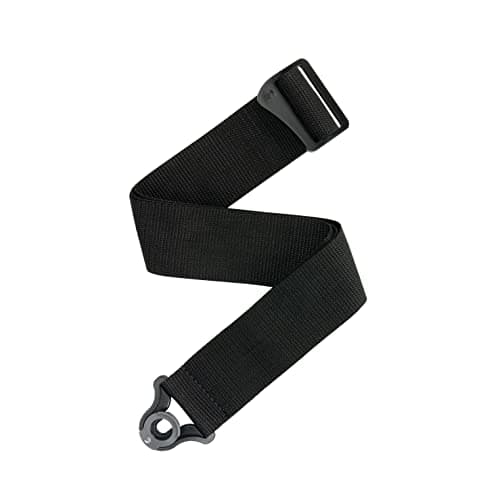
Two straps build the answer in rather than leaving it to aftermarket locks, and an electric hangs heavier than an acoustic to begin with — straps for electric guitars compares them on published width, length and the one load rating anybody publishes.
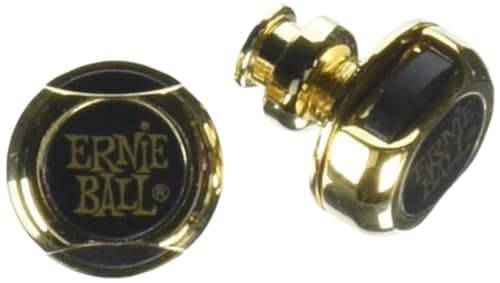
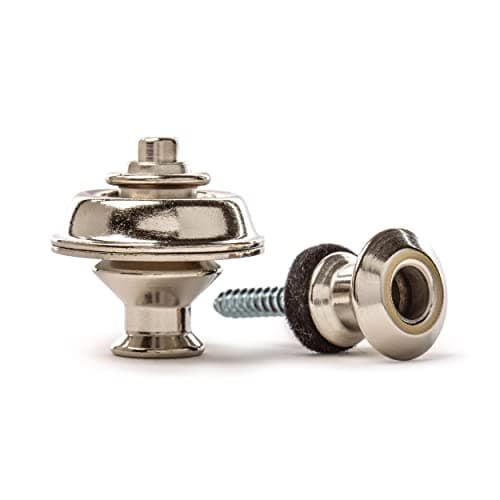
Strap locks replace the button with one that latches into a matching collar on the strap. Fitting is a five-minute job with a screwdriver. The two long-standing systems — Ernie Ball Super Locks and Dunlop Straplok — are not interchangeable, so pick one and stay with it across your instruments.
Neither maker publishes a load rating, which is a genuine gap in this category. What we can say is that the failure mode they eliminate is the commonest cause of guitar damage among beginners, and the cost is under a tenth of a repair. Details in the strap locks roundup.
The acoustic problem
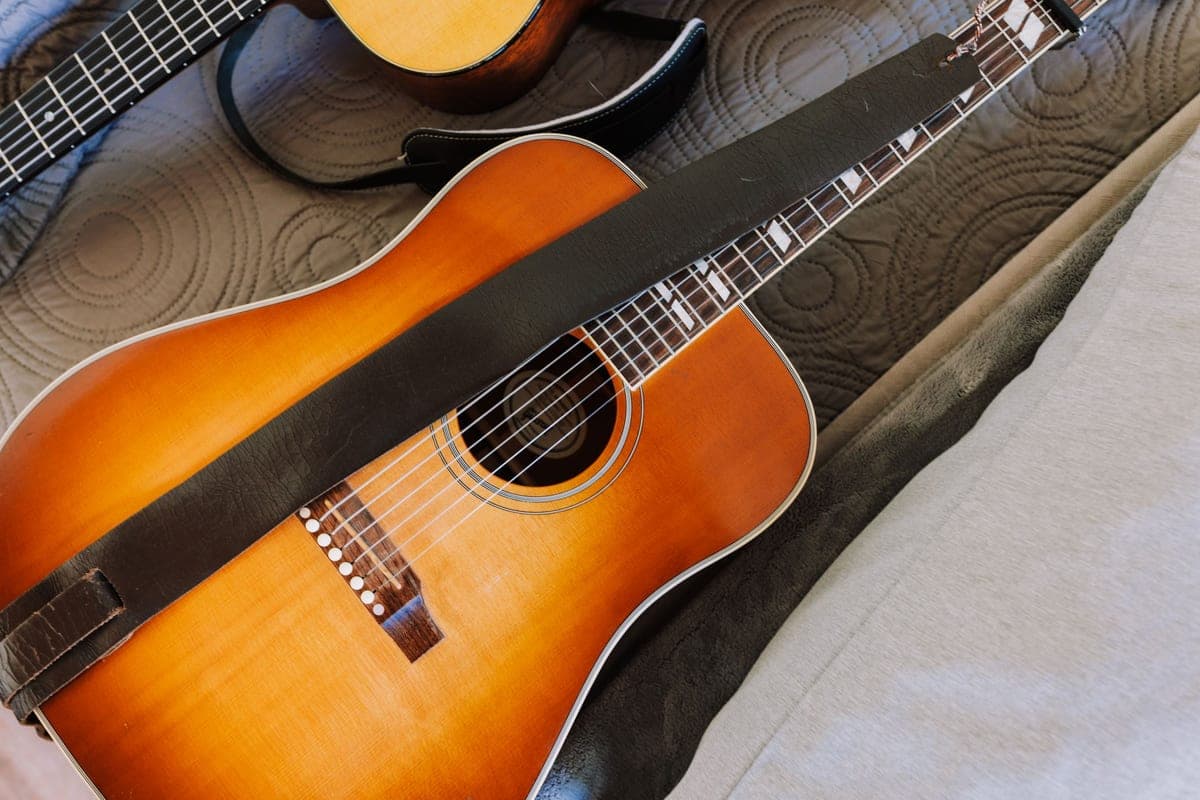
Many acoustics have only one strap button, at the base. The other end of the strap is meant to tie around the headstock behind the nut. This works, it is entirely traditional, and it means strap locks only solve half your problem on such a guitar.
Fitting a second strap button at the heel is a common modification and a genuinely permanent one — it involves drilling into the neck heel. That is a job for a technician, not a first-month owner, and it is worth doing before you decide you dislike playing standing up.
Where that button sits is also what decides whether the guitar stays where you put it. If yours rotates headstock-down the moment you take your left hand off, neck dive covers what strap makers actually publish about it — which is far less than the internet assumes — and the free fixes to try before buying anything.