A fresh set of strings on a cheap acoustic sounds better than a dead set on an expensive one. That is the whole argument for caring about this, and it is why strings are the best value purchase in guitar: a set costs less than a takeaway and changes the instrument audibly.
For a first acoustic there are exactly two decisions. Gauge, which decides how much force every note costs your fingertips. Coating, which decides whether you are buying strings four times a year or twelve. Everything else — alloy debates, brand loyalty, whether a set is described as "warm" — matters far less and matters not at all until you have changed strings a few times.
Gauge, and the one brand that publishes tension
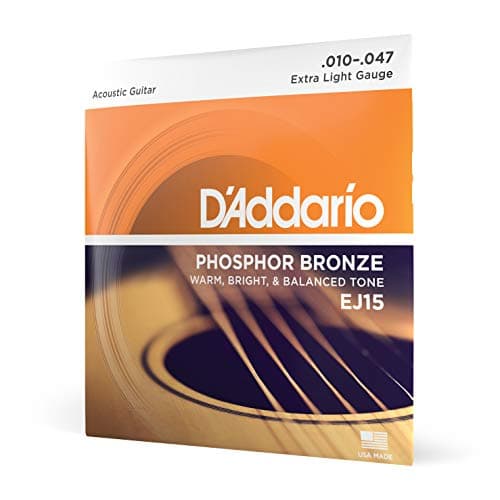
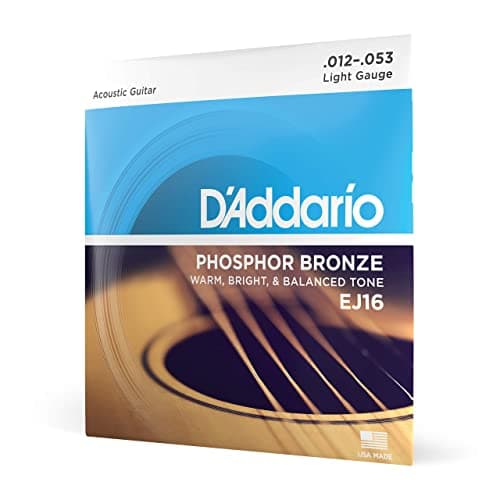
Gauge is quoted as the diameter of the thinnest string in thousandths of an inch. A light acoustic set is usually .012–.053; extra light is .010–.047; medium is .013–.056. Thicker strings need more tension to reach pitch, and that tension is what your fingertips push against.
D'Addario publishes the tension of every string in pounds. Their light EJ16 set totals 160.5 lb across six strings, published per string. Elixir, Ernie Ball and Savarez publish gauges and no tension at all.
That single fact reshapes this category. It means a comparison between a D'Addario set and any other brand is a comparison between a number and an adjective. Where we have no figure, this page says so rather than filling the gap.
160.5 lb
Total published tension across a light acoustic set (D'Addario EJ16)
Published per string. Three of the five brands in this roundup publish no tension figure whatsoever.
Published gauges and what each maker will state| Set | Gauges | Coating | Tension published? |
|---|
| D'Addario EJ16 | .012–.053 | None | Yes, per string |
| D'Addario EJ15 | .010–.047 | None | Yes, per string |
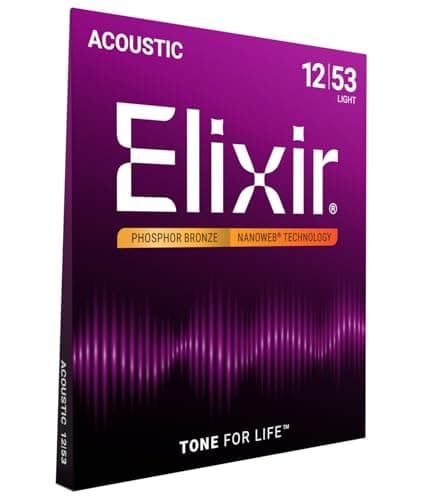
| Elixir 16052 NANOWEB | .012–.053 | NANOWEB | No |
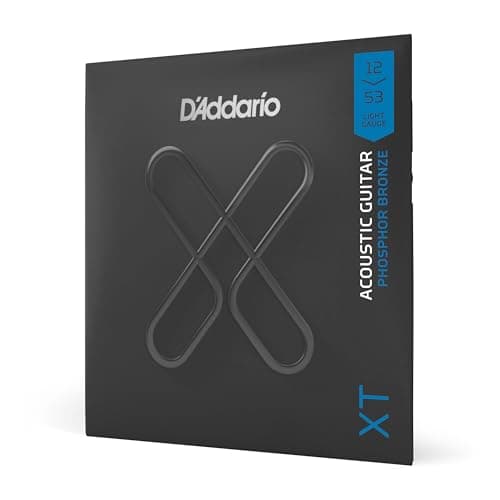
| D'Addario XT Light | .012–.053 | XT (wound strings) | Yes |
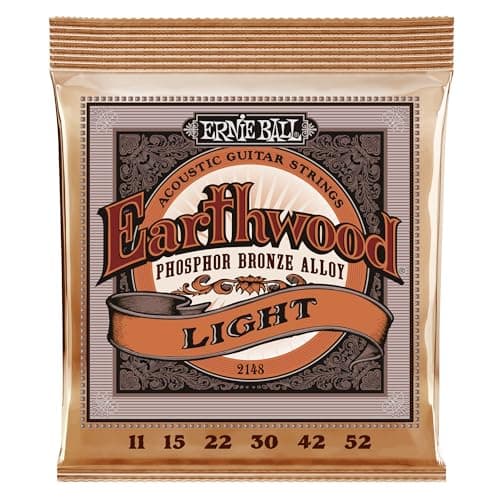
| Ernie Ball Earthwood Light | .011–.052 | None | No |
Which gauge for a first acoustic
Light (.012–.053) is the default and what most acoustics ship with. It is the balance point between tone and effort, and if nothing is bothering you, this is the answer.
Extra light (.010–.047) is the answer to sore fingertips. Dropping from 12s to 10s is a real reduction in the force each note needs, and it makes the difference between practicing for twenty minutes and stopping after five. It costs you some volume and some low-end body — a fair trade in month one.
Ernie Ball's 11–52 "light" is worth knowing about because it is genuinely a middle option most brands skip. It also catches people out: the word "light" means 12s at D'Addario and 11s at Ernie Ball, so check the numbers rather than the word. Full detail in the gauge guide, and the specific argument in light vs medium.
Coated or not
Uncoated strings die from the oil and salt off your hands and from debris packing into the gaps between the windings. A coating seals the string so both take longer.
Elixir's NANOWEB is the reference product here and publishes the full gauge table for every set. It stays bright for weeks rather than days and squeaks noticeably less under a sliding hand. It also costs several times an uncoated set and never quite has the raw brightness of a new uncoated string. Elixir makes two acoustic coatings, not one, and NANOWEB vs POLYWEB is the comparison that holds the alloy and the gauges constant.
D'Addario's XT sits between the two on price and lifespan and keeps the same published-tension discipline as the rest of their line, which makes it the easiest coated set to compare against the uncoated one you might be leaving.
If your hands sweat, or the guitar sits out for weeks between sessions, coated pays for itself. If you play daily and change strings monthly anyway, it does not. Coated vs uncoated works through it properly.
Phosphor bronze, 80/20, and why it matters less than you think
Acoustic strings are wound with a bronze alloy because that is what drives a wooden top well. The two common alloys are 80/20 bronze (brighter, ages faster) and phosphor bronze (slightly warmer, holds its tone longer — Elixir describes the wrap as a copper alloy with small amounts of phosphorus and approximately 8% tin).
The difference is audible if you play them back to back and essentially invisible against the difference between new strings and three-month-old strings. Buy phosphor bronze because it lasts slightly better, and do not agonize about it.
The other alloy on the shelf is 80/20 bronze, which is brighter when new and dulls faster. Phosphor bronze vs 80/20 lays the two out at identical gauges so you can hear what the alloy does with nothing else changed.
If you landed here because your fingertips hurt, the extra-light set above is the answer we stand behind, and it is worth knowing why we do not lead with silk and steel: those sets are sold on lower tension and no maker we checked publishes a tension number for one. Silk and steel strings has the full comparison.
What we did not doWe have not played any of this gear. Every guide in this category says it tested twenty tuners; we would rather say plainly that we tested none. What we did instead is on this page in full: published specifications with their sources, the makers' own manuals read rather than paraphrased, and a note wherever a company publishes nothing at all.
The one thing that matters more than which set you buy
Changing them. A cheap set changed every two months beats an expensive set left on for a year, every time. Wiping the strings with a dry cloth after each session costs thirty seconds and genuinely extends the life of a set.
If you have not done it before, how to change guitar strings is the step-by-step, including how to get bridge pins out without marking the bridge.